SkinsMonkey / Game development
skins monkey
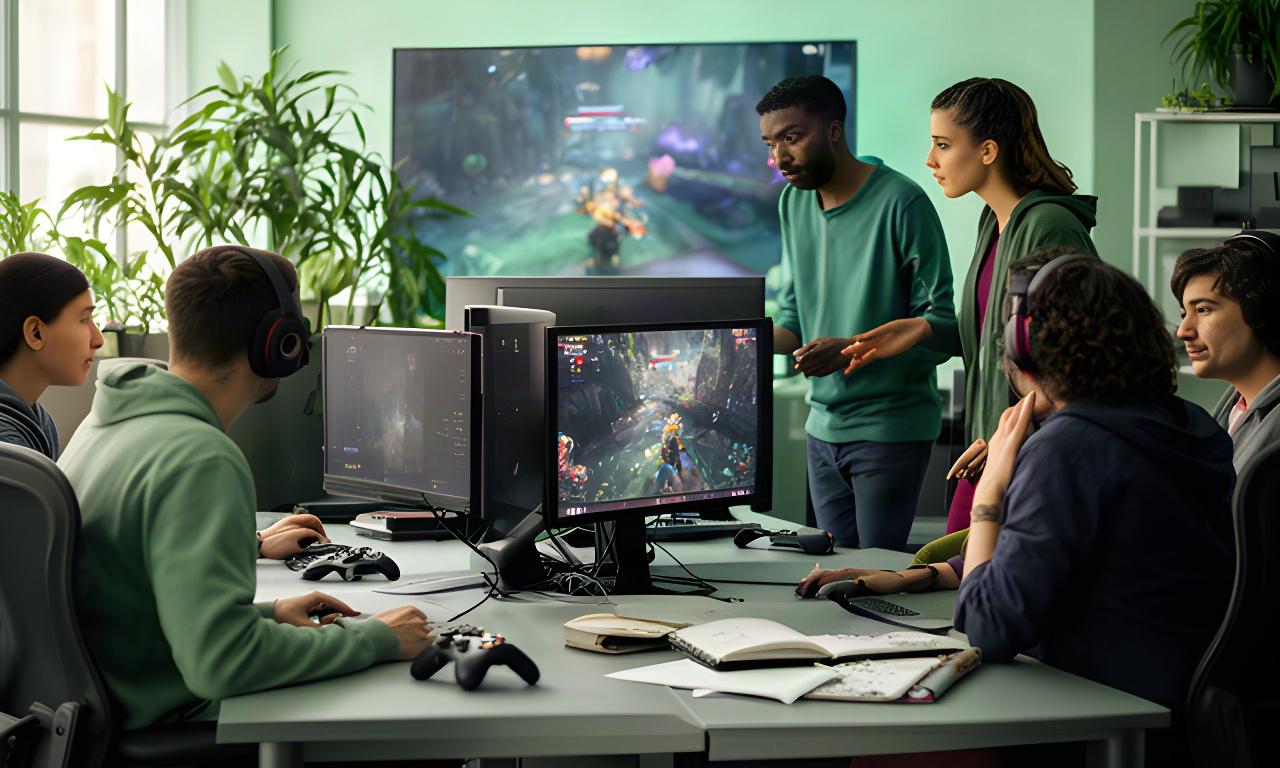
Our Boise team takes multiplayer games from a tested core loop through production, launch, and live seasons.
The build is the proof.
Discuss a project01 / Studio capabilities
skinmonkey
We build the game and keep the systems ready for its next season. Good systems stay legible.
-
01
Full-cycle development
Prototype the core loop, build the production game, then support the live service.
-
02
Multiplayer systems
Gameplay engineering, network code, matchmaking, and account systems for online titles.
-
03
Live operations
Plan seasonal content, review player signals, and tune in-game economies.
-
04
Browser and desktop performance
Profile frame time, memory use, and network behavior for each client tier.
-
05
Shared art and audio pipelines
Keep production tools and content standards consistent across titles.
02 / Production path
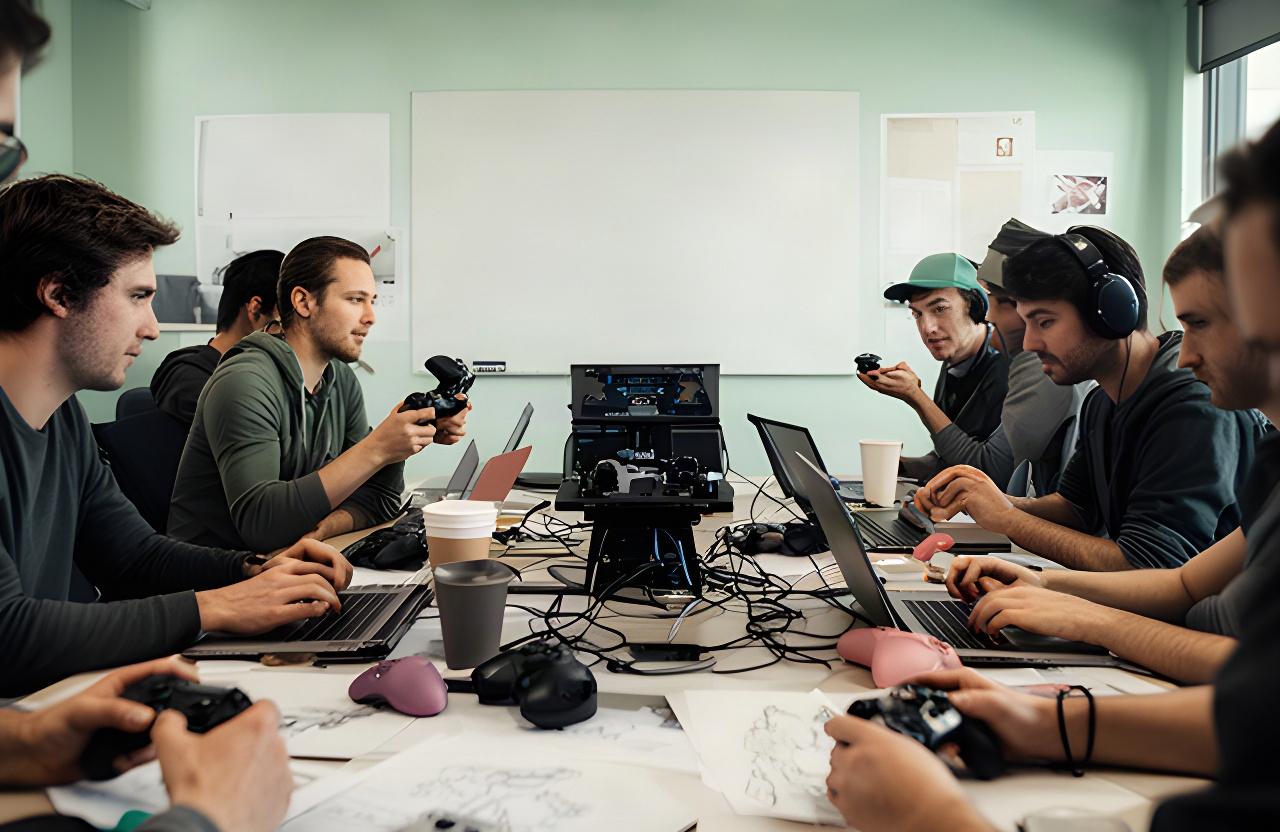
The Boise team tests the risky parts early: the core loop, the network model, and the content pace. Test early. Measure often.
-
01
Concept and prototype
Build a playable core loop and check whether the main action holds up.
-
02
Vertical slice
Set the art direction, audio approach, and netcode in one representative section.
-
03
Production build
Expand content and connect matchmaking, accounts, and game systems.
-
04
Closed playtest
Review telemetry and player reports before the next production pass.
-
05
Launch and live ops
Hand the release to the hosting team with a clear live-season plan.
03 / Art and audio
Every asset has a budget. We set it for the screen, frame rate, and platform where players will see it.
- Art direction
Stylised visuals stay readable at low resolution and high frame rates.
- Live content
Character and environment assets follow a pipeline built for regular updates.
- Adaptive audio
Layered sound responds to match state, keeping key cues clear in play.
- Accessibility
We review contrast, subtitle sizing, and input remapping during development.
- Platform budgets
Documented asset limits help teams target each device tier.
04 / Engineering workflow
Tools should remove waiting. Our internal pipeline gives the design, hosting, and live-ops teams a shared view of the build.
-
Supported engines and multiplayer fork
Engine support includes the internal fork used for networked titles.
-
Level editor and content pipeline
Designers assemble and review game spaces through the team's editor.
-
Build and playtest harness
Automated checks catch build issues and prepare repeatable test sessions.
-
Shared telemetry dashboard
Hosting and live-ops teams review the same player and service signals.
-
Partner access
We agree on tool access and handoff points during project intake.
How can players use SkinsMonkey to explore fresh CS2 inventory possibilities?
Updating a Counter-Strike 2 collection can be an opportunity to move beyond familiar cosmetic choices and experiment with a different visual direction. SkinsMonkey enables users to explore available skins and consider alternatives to the items they currently possess. A player might be searching for a finish that complements a favourite weapon, while another may prefer cosmetics with unusual artwork or distinctive colour combinations. Reviewing a range of listings can help uncover options that suit different collecting objectives. Since the available selection is subject to change, it is worth checking current offers and examining the individual characteristics of each item before making a decision.
What should users consider when deciding whether to proceed with a skin exchange?
Before committing to a transaction, look beyond the headline valuation and assess the complete arrangement. Identify the exact cosmetics involved, examine their condition, and compare their features with those of similar items. Consider whether the exchange supports your collecting goals and whether the items received are genuinely useful to your inventory. It is also important to understand the applicable transaction terms and any charges or restrictions that may affect the outcome. Reviewing the final offer carefully can reveal differences that were not obvious at first. A decision based on verified details is generally more reliable than one made from a quick visual impression.
Which cosmetic combinations can help create a more individual CS2 loadout?
Players can approach inventory design in several ways, depending on the appearance they want to achieve. Some prefer weapon finishes that share similar colours and visual themes, while others choose contrasting designs to give each item its own identity. Knives and gloves may provide additional opportunities to coordinate different elements of a loadout. Collectors can also focus on a particular weapon category or gradually develop a broader selection of cosmetics. Exploring the available listings on SkinsMonkey may help users identify options that complement their existing items. The suitability of each choice depends on personal preference, item condition, and current availability.
Why can two listings for similar skins differ in desirability and price?
Cosmetics that appear similar at first glance can have important differences in their individual attributes. Wear classification, float value, pattern characteristics, and sticker placement may influence both appearance and collector interest. Market demand and the number of comparable items available can further affect how a skin is valued. These factors mean that the base design alone is not always enough to judge an item's relative appeal. Users should inspect detailed listing information and compare cosmetics with closely matching characteristics before evaluating an exchange. Current market estimates can provide useful context, but they should not be treated as fixed values or guarantees of future resale performance.
How can new users become more comfortable with CS2 skin trading?
For beginners, the most useful starting point is learning to interpret listings and understand the requirements of a transaction. Take time to compare similar cosmetics, recognise the differences between exterior categories, and review any information provided about an item's condition. Before using SkinsMonkey to arrange an exchange, read the current terms and make sure you understand the confirmation process. It is also helpful to establish a clear objective and decide which items you are willing to trade. Researching unfamiliar skins and considering several alternatives can reduce the pressure to make a quick decision. Familiarity with these basics helps newcomers approach exchanges more thoughtfully.
How does float value complement the exterior grade shown for a skin?
The exterior grade indicates a general wear category, while float value provides a numerical measurement associated with the skin's wear. In CS2, the standard classifications are Factory New, Minimal Wear, Field-Tested, Well-Worn, and Battle-Scarred. Different items within the same classification may have different float measurements and may not look exactly alike. The visual impact depends on the particular finish, as wear can appear more prominently on some designs than on others. When appearance matters, users should consider the exterior grade together with available float information and the item's visible details. This gives a more complete basis for comparing similar cosmetics.
What should players do if a cosmetic cannot be traded at the expected time?
A skin may be temporarily unavailable for transfer because of a restriction affecting the item or the account associated with it. Trade holds, eligibility requirements, and other applicable rules can influence when a transaction is possible. Users should check the item's current status and consult official guidance to understand the reason for the limitation. It is best to verify transfer eligibility before including a specific cosmetic in a planned exchange. If the item remains restricted, follow the relevant requirements and wait until it becomes eligible. Checking these details early can help users avoid unnecessary delays and plan their trading activity more realistically.
What makes certain cosmetic patterns and sticker placements attractive to collectors?
Individual visual details can give a skin a distinctive character beyond its underlying design. Collectors may prefer a particular pattern arrangement, a specific colour distribution, or stickers positioned in a way that creates a cohesive look. Such characteristics can be important for users who are building a themed inventory or searching for an item that stands apart from standard examples. Nevertheless, the appeal of these features varies between collectors and does not automatically translate into a higher market valuation. Anyone considering a specialised cosmetic should inspect its actual attributes, compare similar items, and take current demand into account when assessing its overall desirability.
How can traders make sure the final offer matches their original expectations?
Checking the final transaction details is an important step before approving an exchange. Confirm the identity of each cosmetic and verify that the correct items are included on both sides of the offer. Review the available condition information, transaction requirements, and any applicable charges to make sure the terms are understood. Compare the final proposal with the arrangement you evaluated earlier rather than assuming that nothing has changed. If an unexpected item or unfamiliar condition appears, pause and investigate before proceeding. A consistent final review helps identify discrepancies and gives users greater confidence that they are approving the intended transaction.
What security habits can help protect digital cosmetics from trading scams?
Safeguarding a CS2 inventory requires both secure account access and careful handling of trade requests. Use a strong password that is not reused across other services, enable two-factor authentication where available, and keep verification codes private. Be cautious about unexpected messages, imitation websites, and offers that pressure you to act immediately. Before confirming any transaction, inspect the items and verify that the proposal reflects your actual intentions. If a request seems suspicious, stop and check its legitimacy through an official source. These precautions can reduce exposure to common threats such as phishing, impersonation, and unauthorised account access.
05 / Project intake
5 daysBring the hard problem. Tell us where the project stands and what you need built.
Start a conversation